ブログ

  • First Sounds of Japan: Jaja Biri Biri

    First Sounds of Japan: Jaja Biri Biri

    Summary

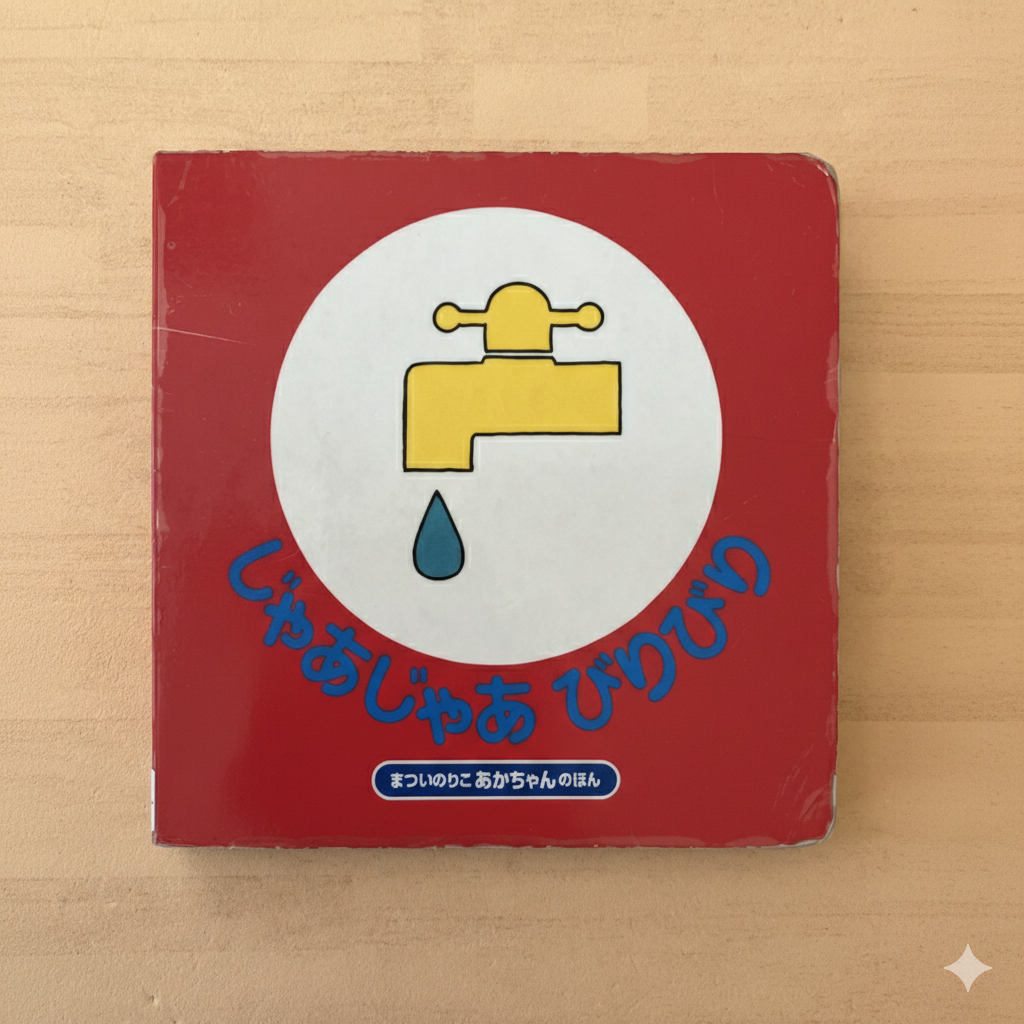
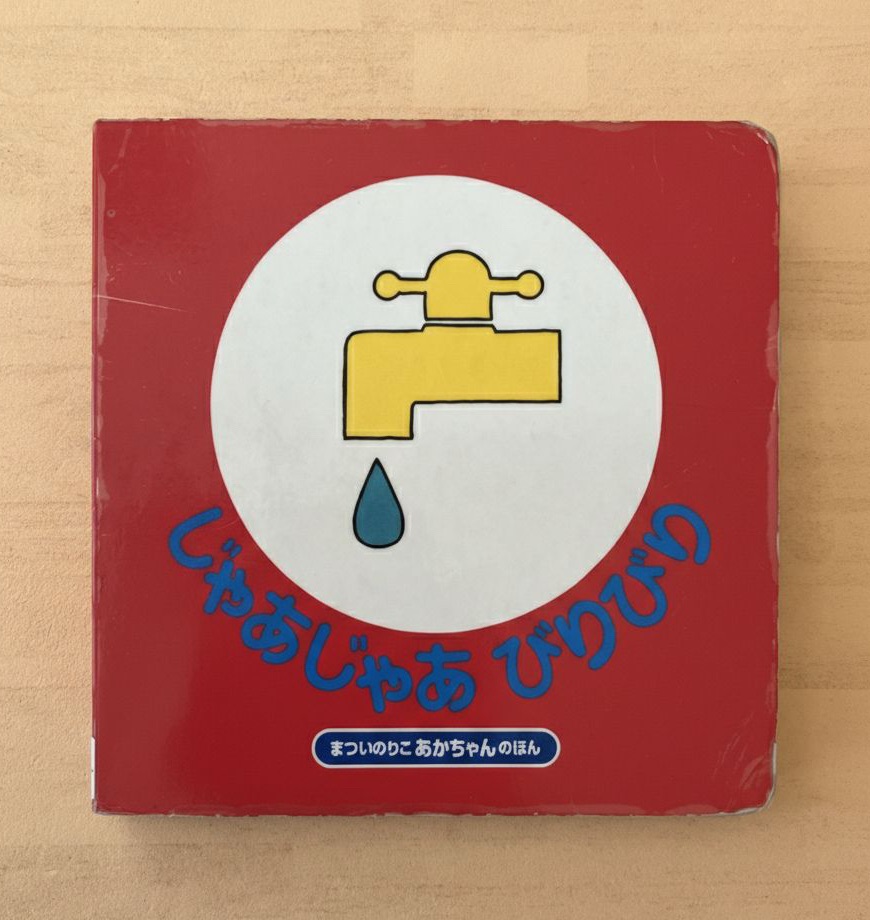
    Jaja Biri Biri is a classic Japanese board book designed especially for babies.

    By pairing everyday objects with clear, rhythmic sounds, the book helps very young children connect what they see with what they hear, supporting early language development in a natural and joyful way.

    Why This Book Is Loved

    A Direct Link Between Sound and Image

    Each page introduces a familiar object together with its sound, such as a car going “buu buu buu buu” or water flowing “jaja jaja jaja.”

    This simple structure allows babies to intuitively understand both the object and its defining feature.

    Onomatopoeia That Encourages Speech

    The repeated, easy-to-pronounce sounds are rich in Japanese onomatopoeia.

    They invite babies to mimic the sounds, turning reading time into an active vocal experience.

    High-Contrast Colors for Young Eyes

    Bold, vivid colors and simplified shapes are carefully chosen to be easily recognizable, even for babies with still-developing vision.

    Baby-Friendly Size and Durability

    The compact format fits perfectly in small hands and bags.

    Made as a sturdy board book, it can withstand pulling, chewing, and repeated reading—ideal for outings and daily use.

    Cultural Notes

    Japanese baby books often emphasize sound-based learning, reflecting the language’s rich use of onomatopoeia in daily life.

    Teaching through repetition and sensory experience is a common approach in early childhood education in Japan.

    The focus on portability and durability shows a cultural awareness of reading anytime, anywhere with babies.

    Book Information

    Title (JP): じゃあじゃあ びりびり

    Title (EN): Jaja Biri Biri

    Author / Illustrator: Noriko Matsui

    Recommended Age: 0–2 years

    First Published: 1983

    Format: Board Book

    Publisher: Kaiseisha (Japan)

  • Sounds, Shapes, and Imagination: Moko Moko Moko

    Sounds, Shapes, and Imagination: Moko Moko Moko

    Why This Book Is Loved

    Synesthetic Comfort of Sound and Shape

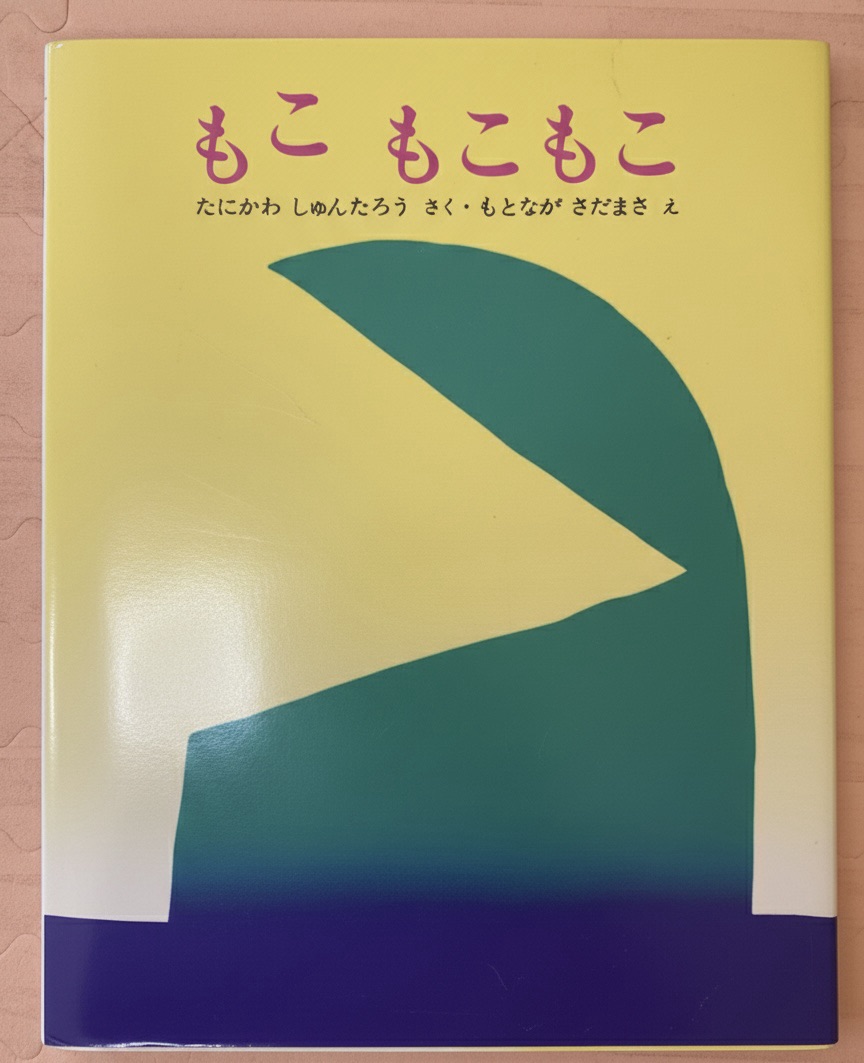
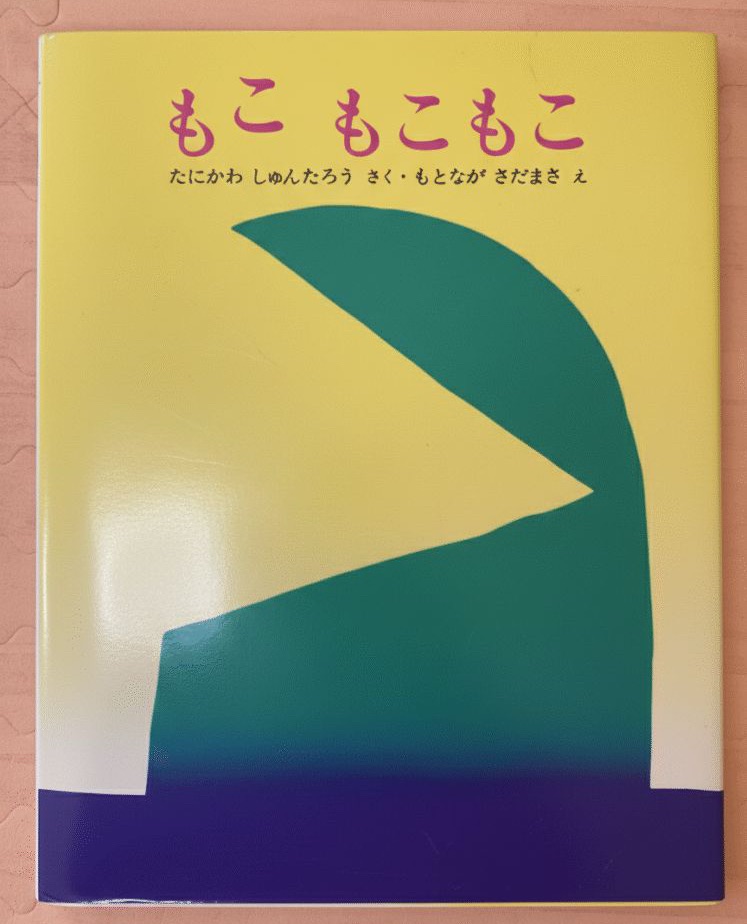
    Minimal sounds such as “moko,” “nyoki,” and “pachin” are perfectly matched with changing abstract forms.

    This combination speaks directly to a baby’s intuition, blending sound and visual sensation into a single, soothing experience.

    A Dramatic Flow of Stillness and Movement

    From an empty horizon, something slowly appears, grows, bursts, and disappears.

    This dynamic sequence—almost like the birth and fading of a universe—keeps children deeply engaged and curious.

    Abstract Expression That Frees Imagination

    Because the shapes do not represent specific animals or objects, children and adults alike are free to interpret the images in their own way.

    Each reading becomes an open-ended conversation: “Is it a mountain? A creature?”

    Space for the Reader’s “Ma”

    With so few words, the timing of page turns, pauses, and voice changes becomes essential.

    This uniquely Japanese sense of ma (intentional silence and space) allows each reader to create their own rhythm and atmosphere.

    Cultural Notes

    The book reflects a Japanese aesthetic that values simplicity, space, and suggestion over clear explanation. The concept of ma—the meaningful pause or empty space—is deeply rooted in Japanese art, music, and storytelling.

    Rather than teaching through instruction, the story encourages learning through feeling and intuition.

    Book Information

    Title (JP): もこ もこもこ

    Title (EN): Moko Moko Moko

    Author: Shuntaro Tanikawa

    Illustrator: Sadamasa Motonaga

    Recommended Age: 0–2 years

    First Published: 1977

    Publisher: Bunken Publishing

  • Cooking Together in Japan: Shirokuma-chan’s Hotcake

    Cooking Together in Japan: Shirokuma-chan’s Hotcake

    Summary

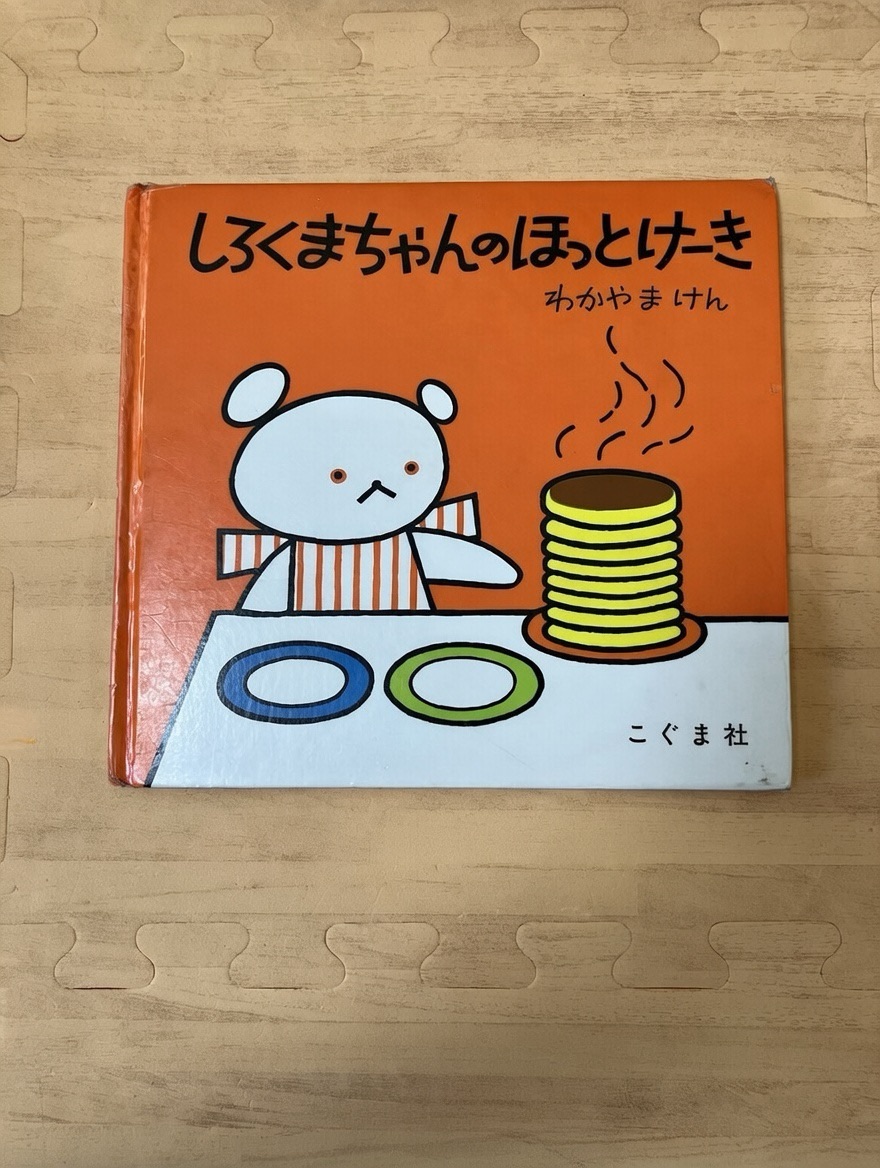
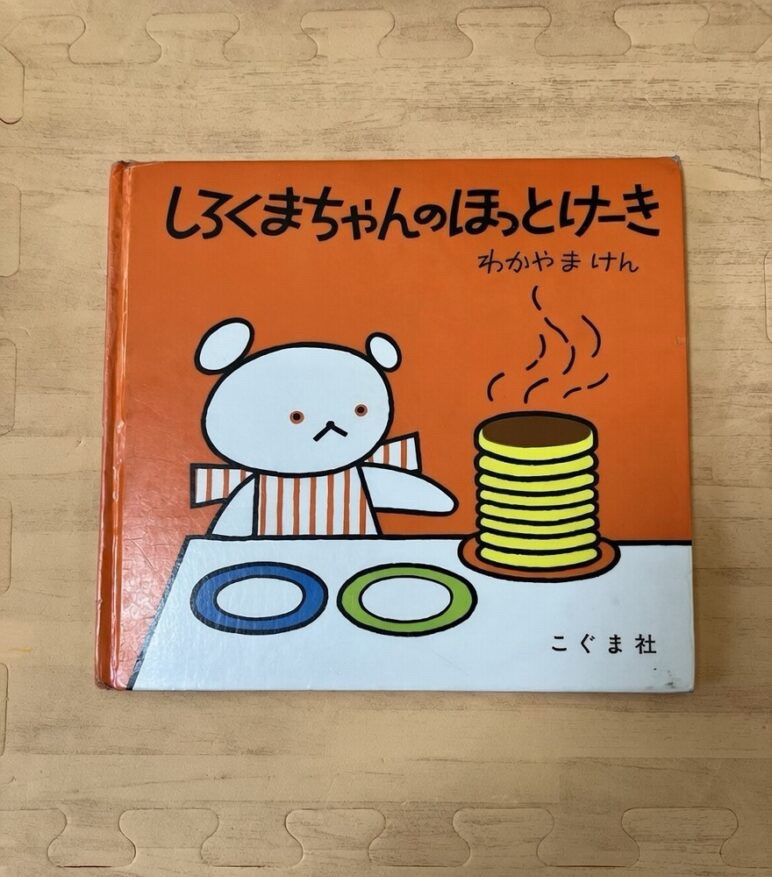
    Shirokuma-chan no Hotto Keeki is a beloved Japanese picture book that gently follows a young bear making hotcakes from start to finish.

    Through simple words, vivid colors, and rhythmic onomatopoeia, the book invites babies and toddlers to experience the joy of cooking, sharing, and everyday routines in Japan.

    Why This Book Is Loved

    ・Stimulating the Five Senses

    As the hotcake cooks, sounds like “potaan” and “putsuputsu” bring the process to life.

    The gradual change on each spread helps children imagine smell, sound, and taste through pictures and words.

    ・Bold and Memorable Colors

    The bright orange of the hotcake and the strong background colors—hallmarks of the Koguma-chan series—naturally draw young children’s eyes and support visual recognition.

    ・Encouraging Independence and Pride

    Shirokuma-chan prepares the ingredients, cooks, and finally shares the hotcakes with a friend.

    This simple story nurtures a child’s desire to

    try things on their own and feel proud of what they’ve done.

    A Gentle Daily Rhythm

    From preparation to cooking, eating, and cleaning up, the story reflects everyday life.

    This predictable flow gives children a sense of comfort and helps them understand daily routines.

    Cultural Notes

    Cooking together is a common and valued family activity in Japan, even with very young children.

    The emphasis on process over speed reflects a cultural appreciation for doing things carefully and attentively.

    Sharing food at the table highlights the importance of togetherness and consideration for others in Japanese daily life.

    Book Information

    Title (JP): しろくまちゃんのほっとけーき

    Title (EN): Shirokuma-chan’s Hotcake

    Author / Illustrator: Ken Wakayama

    Series: こぐまちゃんえほん (Koguma-chan Picture Books)

    Recommended Age: 0–2 years

    First Published: 1972

    Publisher: Kodansha (Japan)

  • Gatan Goton Gatan Goton: A Rhythmic Japanese Picture Book for Babies

    Gatan Goton Gatan Goton: A Rhythmic Japanese Picture Book for Babies

    Summary

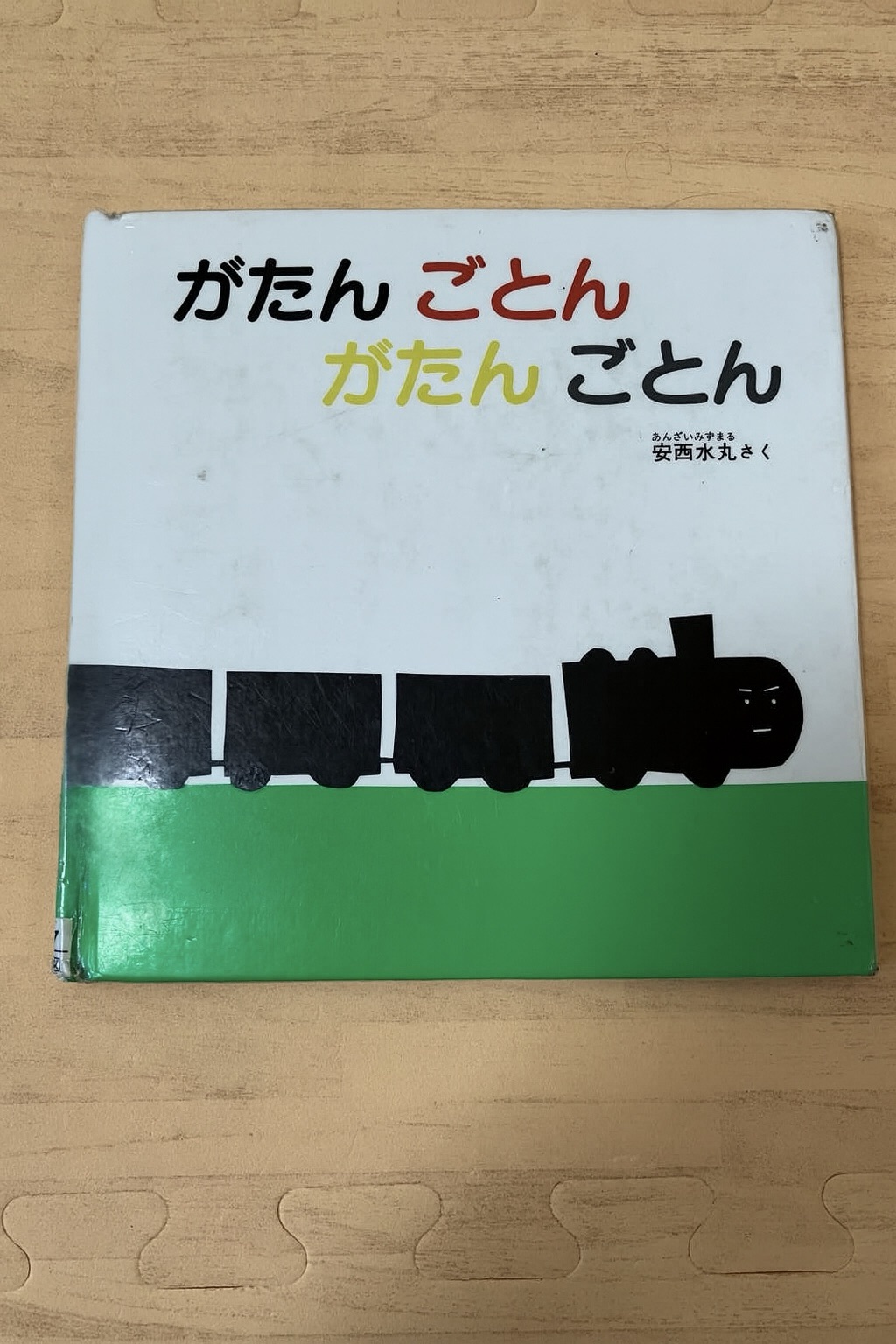
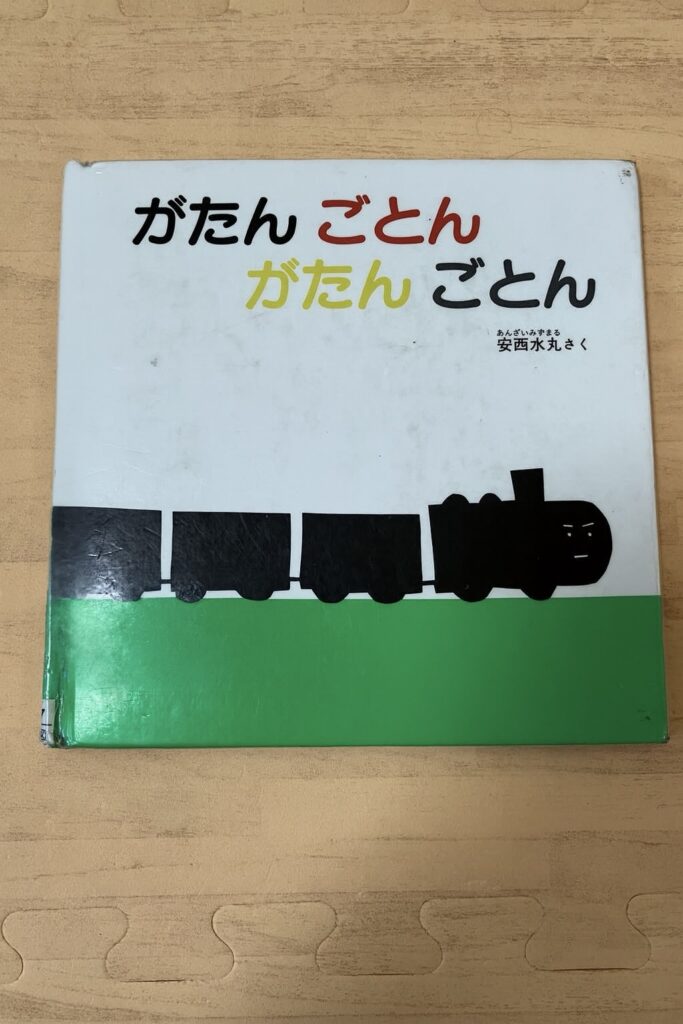
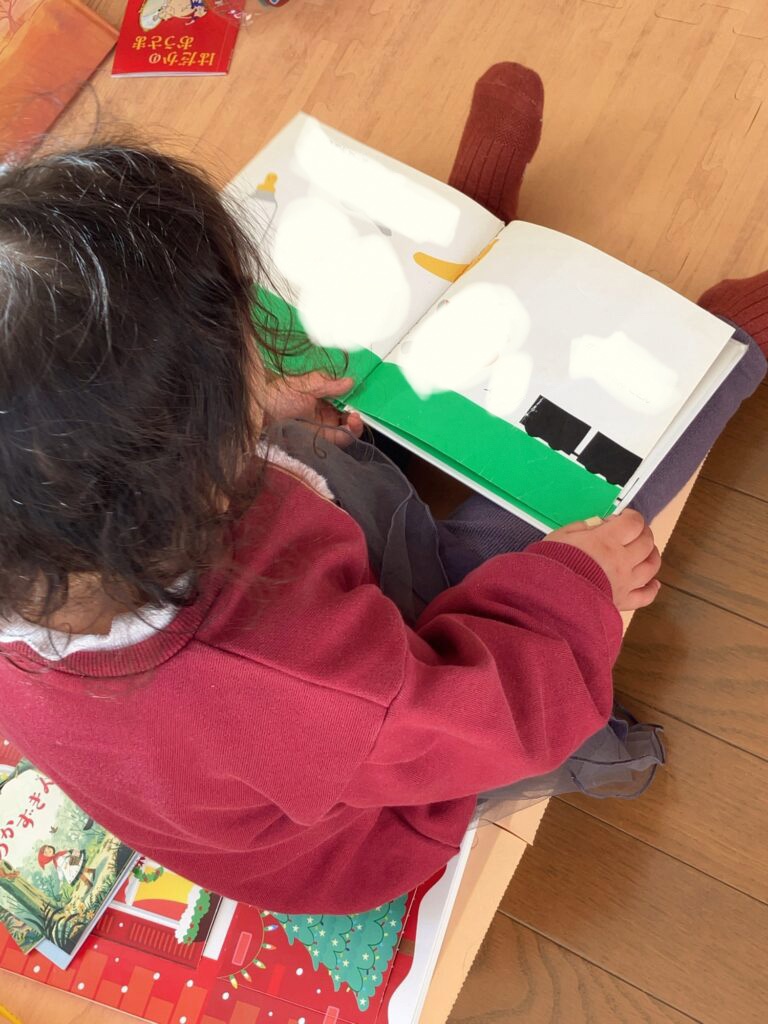
    Gatan Goton Gatan Goton is a classic Japanese picture book that follows a black train as it gently travels forward, carrying familiar everyday items one by one.

    With simple words, strong visual contrast, and a calm rhythm, the book creates a sense of comfort and anticipation for babies and caregivers alike.

    Why This Book Is Special

    ・A soothing rhythm and repetition

    The repeated phrases “gatan goton” and “nosete kudasai” create a steady, predictable rhythm.

    This repetition feels reassuring to babies and helps them focus on sounds and patterns.

    ・Familiar objects and growing anticipation

    Milk bottles, cups, apples, and bananas—objects babies see in daily life—appear one after another.

    Children naturally begin to point, recognize, and anticipate what will come next.

    ・High visibility with the black train

    The bold black train, drawn with thick outlines against a white background, offers strong contrast.

    This design makes the images easy to recognize even for babies whose eyesight is still developing.

    ・A satisfying and reassuring ending

    The journey ends at a familiar place: the family dining table.

    The transition from travel to everyday life gives children a sense of closure, safety, and emotional comfort.

    Cultural Point

    In Japan, this book reflects a deep respect for routine and everyday moments.

    Rather than dramatic events, the story celebrates small, repeated actions—moving forward, carrying things, and returning to a shared meal.

    This calm storytelling style mirrors the Japanese approach to early childhood, where stability and gentle rhythms are highly valued.

    Book Information

    Title: Gatan Goton Gatan Goton
    Original Title: がたん ごとん がたん ごとん
    Author: Mizumaru Anzai
    Illustrator: Mizumaru Anzai
    Recommended Age: 0–2
    Country: Japan

  • Moi Moi: A Scientifically Designed Japanese Picture Book for Babies

    Moi Moi: A Scientifically Designed Japanese Picture Book for Babies

    Short Summary

    Moi Moi is a Japanese picture book designed especially for babies.

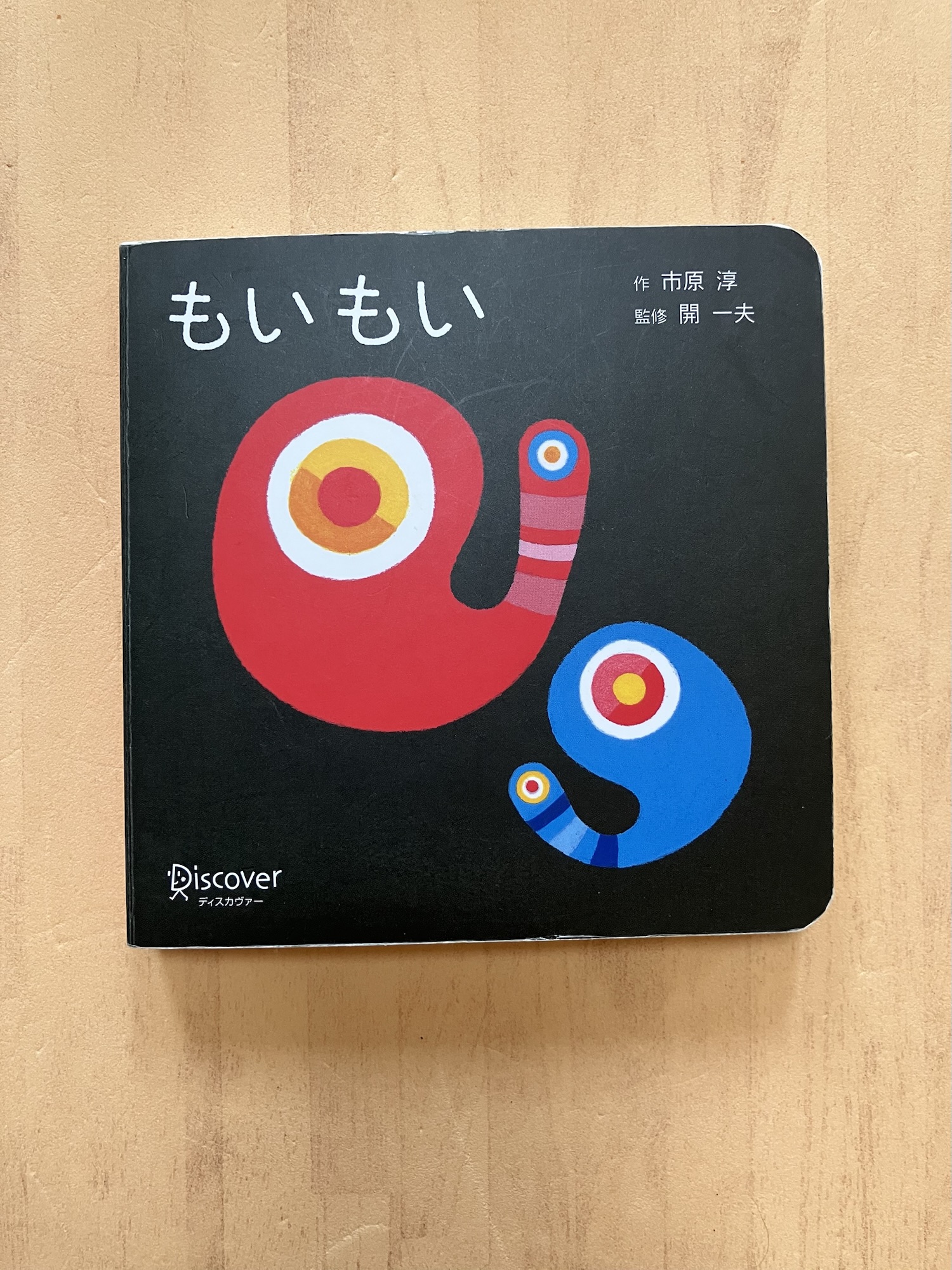
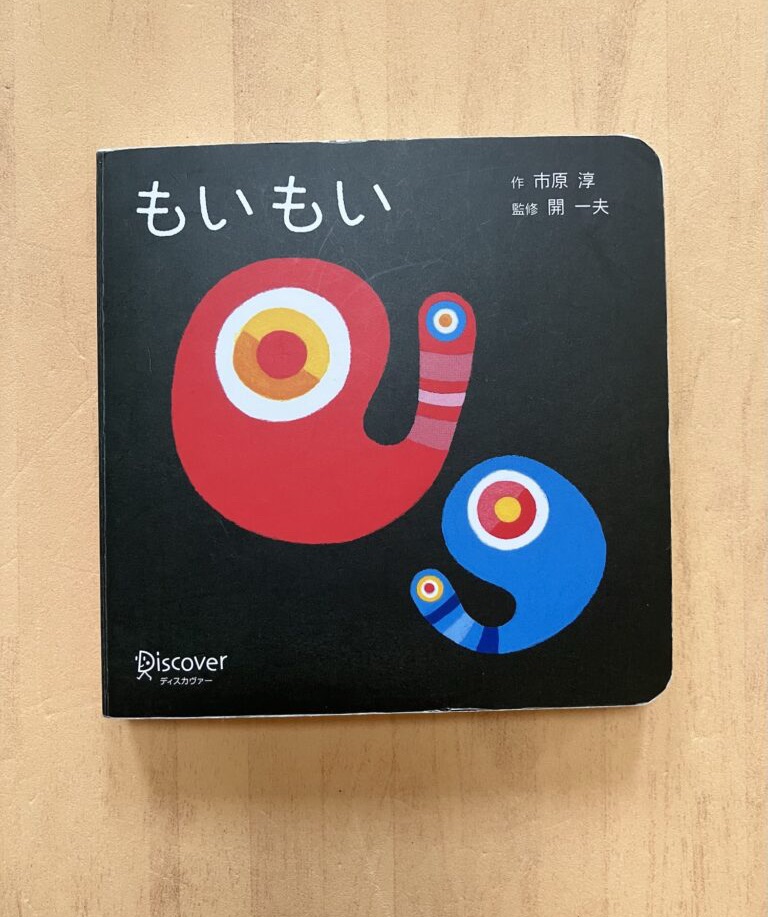
    It uses simple shapes and the repeated sound “moi moi” to naturally attract a baby’s attention without telling a traditional story.

    Why this book is special

    This book is based on scientific research from the University of Tokyo Baby Lab, where researchers studied the eye movements of thousands of babies to discover shapes that truly capture their attention.

    Many parents report that even crying babies calm down or focus quietly when looking at this book, showing its strong ability to hold a baby’s interest.

    Because the book uses only the sound “moi moi,” adults can freely change their voice, speed, and rhythm, making reading time a playful communication experience.

    The high-contrast colors and round, simple characters are easy for babies to see, even with still-developing vision.

    Japanese Culture Point

    In Japan, there is a strong culture of combining childcare with scientific research.

    Books like Moi Moi reflect the Japanese approach of carefully observing babies and designing products based on real data, rather than adult assumptions.

    This shows how seriously early childhood development is taken in Japanese parenting and education.

    Book Information

    Title: Moi Moi
    Original Title: もいもい
    Author: Kazuo Hiraki
    Illustrator: Jun Ichihara
    Recommended Age: 0–2
    Country: Japan

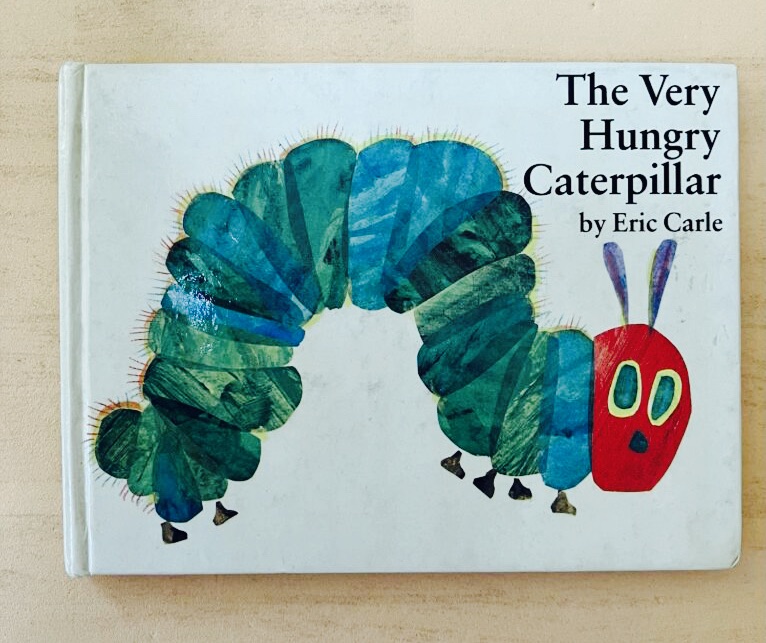
  • The Very Hungry Caterpillar: A Japanese Favorite for Babies

    The Very Hungry Caterpillar: A Japanese Favorite for Babies

    Short Summary

    The Very Hungry Caterpillar is a picture book about a small caterpillar that eats different foods each day and grows bigger.

    Through simple words and clear illustrations, children can follow the caterpillar’s journey until it becomes a beautiful butterfly.

    Why this book is special

    ・This book has been translated into many languages and is loved by children all over the world.

    ・The colorful and bold illustrations easily catch young children’s attention.

    ・It introduces numbers and days of the week in a natural way, and the holes in the pages make reading interactive and fun for babies and toddlers.

    Japanese Culture Point

    In Japan, picture books are often used not only for reading but also for singing together.

    There is a popular children’s song based on the text of The Very Hungry Caterpillar, called はらぺこあおむしのうた.

    Many Japanese children first experience this story through both reading and music at home or in daycare.

    Book information

    Title: The Very Hungry Caterpillar
    Author & Illustrator: Eric Carle
    Original Title: The Very Hungry Caterpillar
    Recommended Age: 0–2